
How to choose a battery test system
Cell format, current/voltage range, number of channels, native EIS and data security: the criteria that determine the right cycling system.
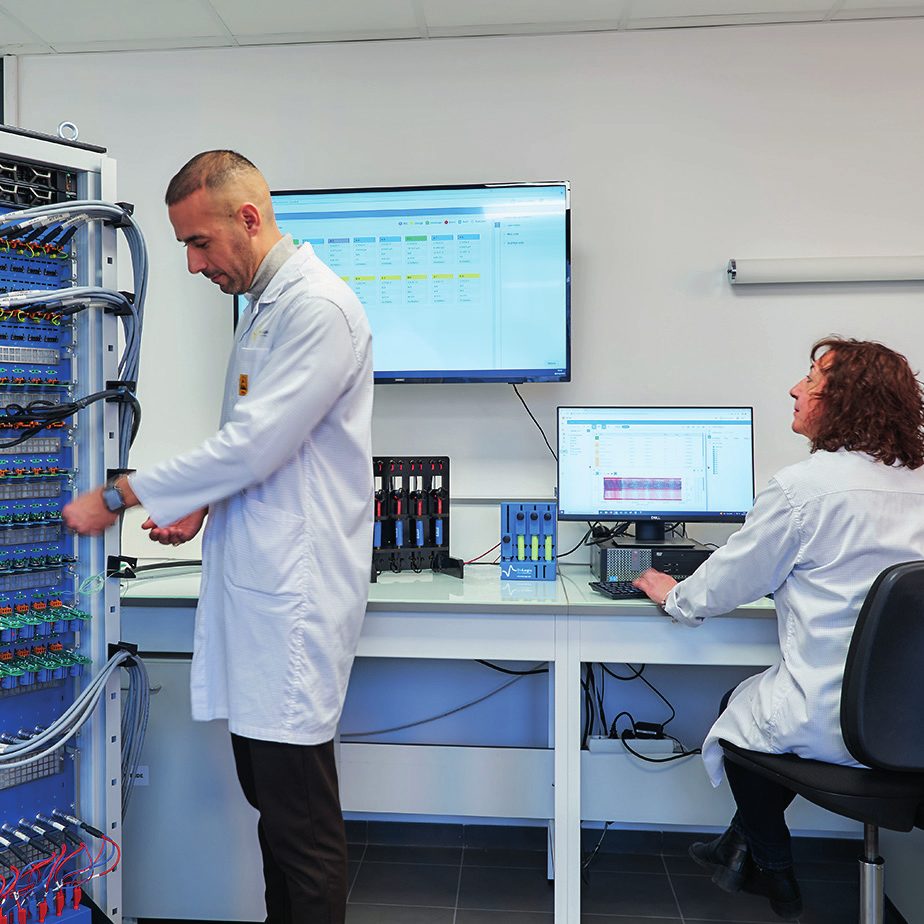
Choosing a battery tester starts with the cell format to be tested and the research stage. Coin cells and small pouch cells need tens of mA, 18650/21700 cylindrical cells a few A, and large pouch/prismatic cells hundreds of A. Bio-Logic's modular approach offers scale from 15 µA to 300 A under a single software.
Current range and accuracy
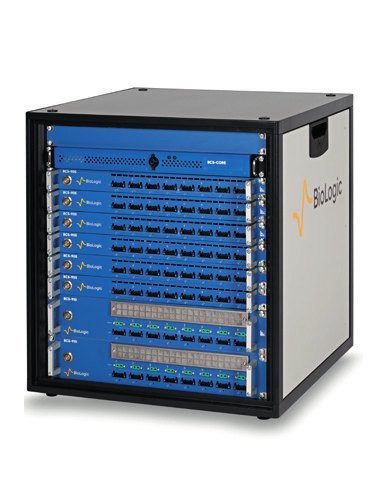
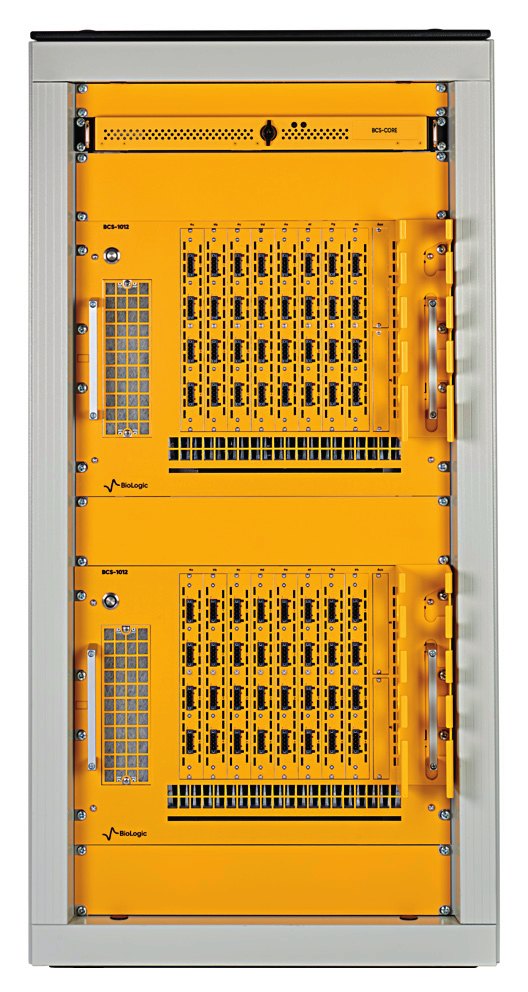
A single large current range reduces accuracy at low C-rates. The 5 current ranges of the BCS-900 modules (e.g. BCS-910: from 1 A to 0.1 mA) preserve accuracy according to capacity and C-rate; 18-bit measurement resolution and 1 ms sampling capture fast CC-CV transitions. For high-volume screening/ageing the BCS-1012 (32 channels, ±6 A, 2 ranges) balances cost and performance.
Native EIS
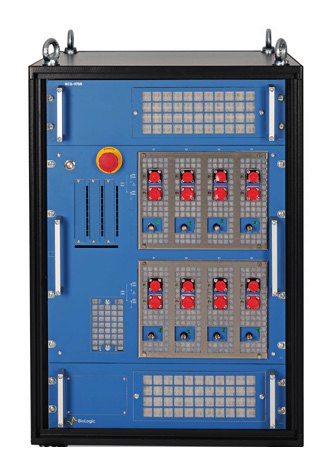
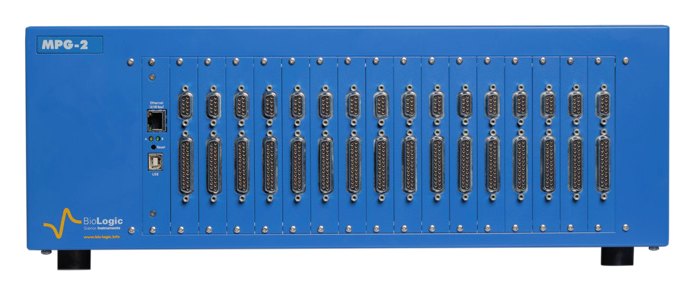
EIS on every channel without connecting a third-party instrument (BCS-900: 10 mHz – 10 kHz; BCS-975R: up to 2 kHz) lets you monitor internal resistance, SOH and degradation mechanisms during cycling. For research cells, the MPG-200 series offers EIS up to 100 kHz and a 3-electrode connection.
Safety, data and expansion
In long-term tests, a PC-independent embedded operating system, local redundant storage (BCS-CORE), safety limits and the BCS-Stop button are critical. Hot-plugging modules while tests run, climate chamber synchronization (BT-Clim™), 4-point cell holders and LIMS/automation integration via the REST API let the system grow with your laboratory over the years.
Sources: Bio-Logic 2026 product catalogue and product brochures; general electrochemistry literature. This content is for information; consult our technical team for instrument selection.